Connect the tools you already pay for
Third-party means made by another company, like HubSpot, Salesforce, Shopify, PayPal or Okta. Each lets other software talk to it through an API. We connect your systems to them and keep the data matching.
API development and integrations
Your team types the same order into three systems. We connect them, so it gets entered once and every system matches.
Start with Gnar Discovery and Design, where we map your systems. Two weeks, $15,000, and you walk out with a build plan that has a fixed price on it.
The Gnar Company connects your CRM, ERP and payments. The CRM tracks customers. The ERP holds orders and stock. Senior US engineers link them with an API, the door one program uses to talk to another. You know the price before we build, because we map every system first. If our build costs more than that, we pay the difference.
Fixed milestone price
Any overage on us
Guaranteed outcome
The software works as specified or we fix it
Twelve-month bug-free warranty
On every build engagement


What changes
Right now, someone types each order three times: into the CRM, the ERP, then accounting. After we connect them, they type it one time. The other systems fill in on their own.
Each payment lands on the order it belongs to. Finance and sales see the same numbers, so nobody matches them up in a spreadsheet.
Everyone signs in once, with the login they already have. IT can shut off access in one place, not app by app.
Every connection comes with written instructions and automatic tests, small programs that check it still works. When a vendor changes its software, the tests help show what broke.
Two ways in
Most projects need some of both. A connector is ready-made software that links two tools. In Discovery, we sort out which links need new code and which a connector can handle. If a connector you can buy does the job, we will say so.
Third-party means made by another company, like HubSpot, Salesforce, Shopify, PayPal or Okta. Each lets other software talk to it through an API. We connect your systems to them and keep the data matching.
When partners or customers need to plug into your product, we build the API. We also write the instructions they need.
Proof

Ordering integrations

E-commerce integrations

Partner integrations
How it works
We map how your data should move before we write any code. Then we build in steps, called milestones, each with a fixed price.
In Discovery, we list every system and what data lives where. We decide which system has the final say on each customer, order and invoice.
We build one connection at a time and test it before it goes live. Builds planned in Discovery typically cost $150,000 to $300,000 or more. Each step’s price is fixed, because the map came first.
The code belongs to you. It lives in your own code repository, the account where your company keeps its code. It has a twelve-month bug-free warranty. Maintain, our optional plan from $1,000 a month, keeps it running with the same people who built it.
Our record

Even now, they catch up and ask how the app is running, and not from a sales standpoint. They really care about our end-users.
Amit Kapoor Chief Executive Officer, First Line Technology
Common questions
Still have questions?
API development services build the links, called integrations, that let your software share data. An API is the door one program uses to talk to another. The Gnar Company builds APIs for software you own. We also connect the products you pay for, so a change in one system shows up in the others. Senior US engineers do the work, and each step of the build has a fixed price.
Yes. The Gnar Company first decides which system owns each customer, order and invoice. For example, the customer lives in the CRM and the order lives in the ERP. Then we build links so every other system matches the one in charge. Each payment lands on the order it belongs to. You keep each tool, and they all show the same data. Your teams stop fixing two versions of the same customer.
Yes, together with your NetSuite team or the outside firm that set it up. The Gnar Company builds the HubSpot or Salesforce side and the link that carries the data. We write down every piece of data it sends, like a customer name or an order total. Deciding where that data goes inside NetSuite is work for NetSuite specialists. Some ERPs charge fees to use their API, so that cost goes in the plan too.
Yes. The Gnar Company connects online stores and ordering systems to your ERP and the rest of your software. An order placed online does not get typed in again. A related ordering example is LevelUp, now part of Grubhub. Gnar built a system that pulled menus and restaurant details from partner restaurants such as Sweetgreen and Pret a Manger. It replaced small programs someone had to run by hand.
Yes. The Gnar Company connects custom apps to sign-in services like Okta and Auth0. That is called single sign-on. Your people log in with the account they already have, not a new password for every app. IT can shut off access in one place, not app by app.
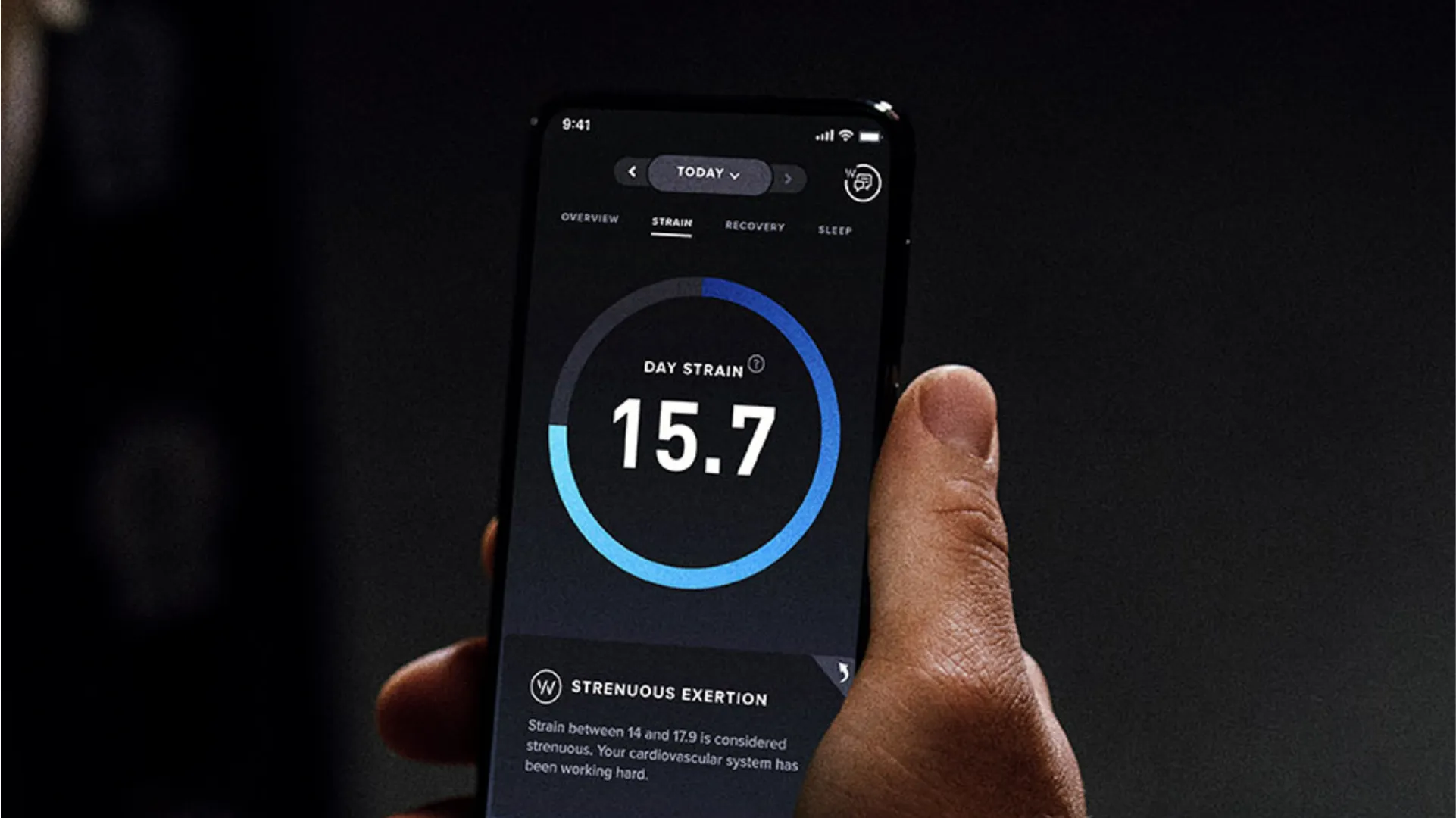
The Gnar Company does. An integration engine is the set of tools outside companies use to connect to your product. At WHOOP, the engineering team was busy, so new partner integrations kept waiting. Gnar became the first contact for every company connecting to the WHOOP API. We built a sample test app and the instructions those partners used. That kept WHOOP’s engineers on their main product.
Yes. For Salsify, The Gnar Company built links to the Shopify and BigCommerce APIs and a Shopify Plus app. Salsify’s customers could then update product details on Shopify and BigCommerce stores. Gnar engineers worked side by side with Salsify’s team. They used Ruby on Rails, the framework Salsify’s back end was built on. After launch, Salsify was announced as a launch partner in the Shopify Plus Certified App Program.
A connector is ready-made software that links two tools. Buy one when it moves the data you need, as often as you need, at a fair price. The Gnar Company builds when a connector cannot handle your kind of data, how much you have, or your rules. We also build when its fees cost more than the link is worth. If a connector does the job, we will say so.
You do. Every API and link The Gnar Company builds is yours. It lives in your own code repository, the account where your company keeps its code, not ours. It comes with written instructions. Work from a build engagement also carries a twelve-month bug-free warranty after launch. Your own engineers, or another firm, can run it and change it from there.
By milestone, with the price fixed before we start. A milestone is one finished piece of the work. The Gnar Company begins with Gnar Discovery and Design: $15,000 for two weeks, $20,000 for four or $30,000 for six. Discovery ends with a build plan and a fixed price. Builds planned in Discovery typically cost $150,000 to $300,000 or more. If our build costs more than the fixed price, we pay the difference. After launch, Maintain, our optional plan that keeps it running, starts at $1,000 a month.
Yes. The Gnar Company hands each link to your engineers with written instructions, so your team can run it. If you want our engineers working inside your team instead, that is Embed. Embed is billed for the hours worked, not at a fixed price.
Start here
Discovery starts at $15,000 for two weeks. You leave with a build plan that has a fixed price on it. Take that plan and build with us, or with anyone. If we build it and it costs more than that price, we pay the difference. If your own team has the time and the know-how, you do not need us.
Talk to us about an integrationLet’s Talk
Tell us what you’re trying to build or fix.